ADA-Compliant Concrete Sidewalks: What Property Owners Need to Know
Property owners seeking ADA-compliant concrete sidewalks aim to ensure accessibility and safety, and local contractors can help design and build compliant, accessible walkways.
Property owners in the area seeking accessible and compliant sidewalk solutions are in the right place. Understanding the essentials of ada-compliant concrete sidewalks can help ensure that outdoor spaces meet legal standards while also enhancing safety and usability for all visitors. Whether managing a commercial property, residential complex, or public space, staying informed about the requirements and benefits of accessible sidewalk construction is a practical step toward creating welcoming environments. Local contractors experienced in ada-compliant sidewalk construction can provide the expertise needed to meet these standards effectively, making it easier to navigate the process and achieve a compliant, durable result.
Exploring this topic further reveals how proper sidewalk design and installation can positively impact property value, accessibility, and compliance with regulations. Property owners who prioritize accessible pathways often find that working with skilled service providers simplifies the process of upgrading or maintaining sidewalks to meet ada guidelines. Keep reading to learn more about the key considerations in ada-compliant concrete sidewalk construction and how local contractors can assist in delivering safe, compliant outdoor spaces tailored to specific property needs.
- ADA-compliant sidewalk construction is essential when property owners need to ensure accessibility for all visitors, with local contractors focusing on proper slope, width, and surface smoothness. Concrete sidewalk upgrades for ADA compliance are often required during renovations or new developments, with service providers prioritizing code adherence and durability. Accessibility sidewalk improvements are necessary when existing walkways no longer meet ADA standards, and local pros evaluate existing conditions to recommend appropriate modifications. Sidewalk repair and replacement services become important after damage or wear, with contractors ensuring new installations meet current ADA guidelines. Universal design sidewalk projects are undertaken to create accessible pathways, with local experts applying best practices for safety and compliance.
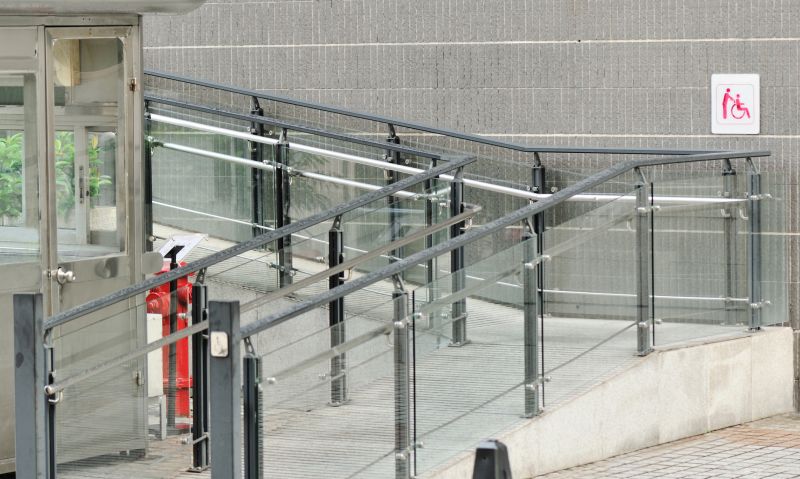
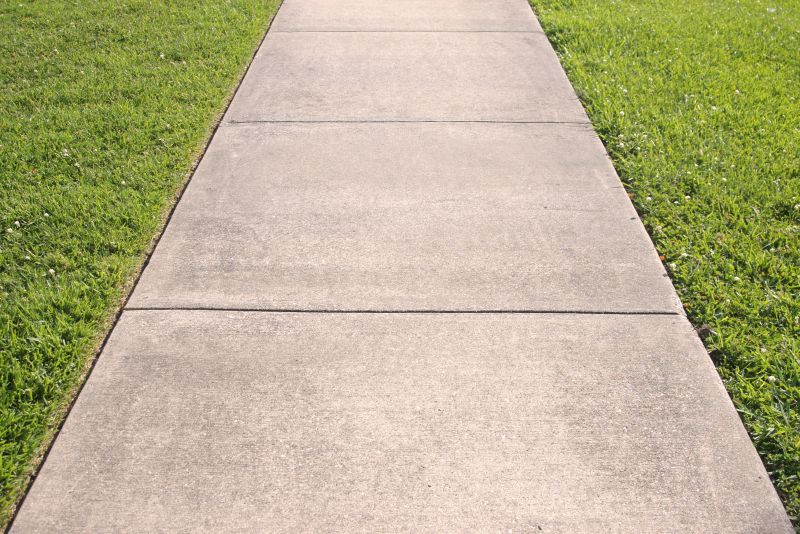
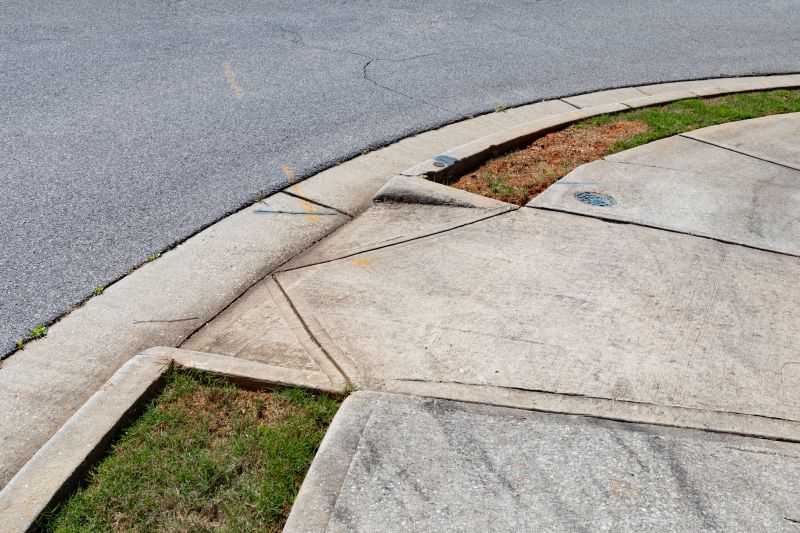
When people search for information about ada-compliant concrete sidewalks: what property owners need to know, they are often looking for guidance on how to ensure sidewalks meet accessibility standards set by the Americans with Disabilities Act. This typically involves understanding the specific design requirements, such as proper slope, width, and surface smoothness, to make walkways accessible for individuals with mobility challenges. Homeowners and property managers may be planning renovations, new construction, or sidewalk upgrades and want to ensure their projects comply with legal standards. Recognizing these needs helps property owners avoid potential legal issues and creates safer, more inclusive outdoor spaces for everyone.
These projects are usually related to accessibility improvements, property renovations, or compliance with local regulations. Property owners might be dealing with issues like uneven or cracked sidewalks that hinder mobility or planning to install new walkways that accommodate wheelchairs, walkers, or strollers. ADA-compliant sidewalk construction involves specific design elements, such as gentle slopes, tactile warnings, and appropriate curb ramps, to facilitate safe and easy access. Local service providers specializing in ADA-compliant concrete sidewalks can help address these problems by providing expert guidance on design standards, ensuring that the finished project not only meets legal requirements but also enhances the property's usability.
The types of properties that frequently come up in discussions about ADA-compliant sidewalks include residential homes, apartment complexes, commercial storefronts, and public facilities. Residential property owners may want to improve access to their homes or gardens, especially if they have family members with mobility challenges. Commercial property owners and landlords often need to upgrade sidewalks to meet accessibility codes and avoid liability issues. Public parks, community centers, and government buildings are also common sites for ADA sidewalk projects, as they serve diverse populations and must adhere to strict accessibility standards. Local contractors experienced in ADA-compliant sidewalk construction understand the unique needs of these property types and can help develop solutions tailored to each setting.
Connecting with local service providers who specialize in ADA-compliant concrete sidewalks can make the process of upgrading or installing accessible walkways more straightforward. These professionals understand the legal standards and practical considerations involved in creating safe, durable, and compliant sidewalks. Property owners should consider consulting with experienced contractors early in their planning process to ensure that the design and construction meet all relevant guidelines. By working with local experts, property owners can gain peace of mind knowing that their sidewalks will support accessibility needs while blending seamlessly with the overall property landscape. This approach helps turn compliance into an integral part of the property's functionality and aesthetic appeal.
Accessible Pathway Construction - professionals who design and build accessible pathways use similar planning and concrete work skills to ensure compliance with ADA standards for sidewalks and walkways.
Curb Ramp Installation - installing curb ramps requires precise concrete work and understanding of accessibility requirements, making it related to ADA-compliant sidewalk projects.
Sidewalk Repair and Resurfacing - repairing or resurfacing existing concrete surfaces involves similar techniques and planning considerations as new ADA-compliant sidewalk construction.
Parking Lot Accessibility Improvements - enhancing parking lots with accessible routes and ramps involves concrete work and planning aligned with ADA guidelines.
Public Space Renovation - upgrading parks and plazas with accessible concrete features requires skills applicable to ADA-compliant sidewalk projects for property owners.
Driveway Apron Replacement - replacing or modifying driveway aprons involves concrete work and accessibility considerations comparable to sidewalk compliance projects.
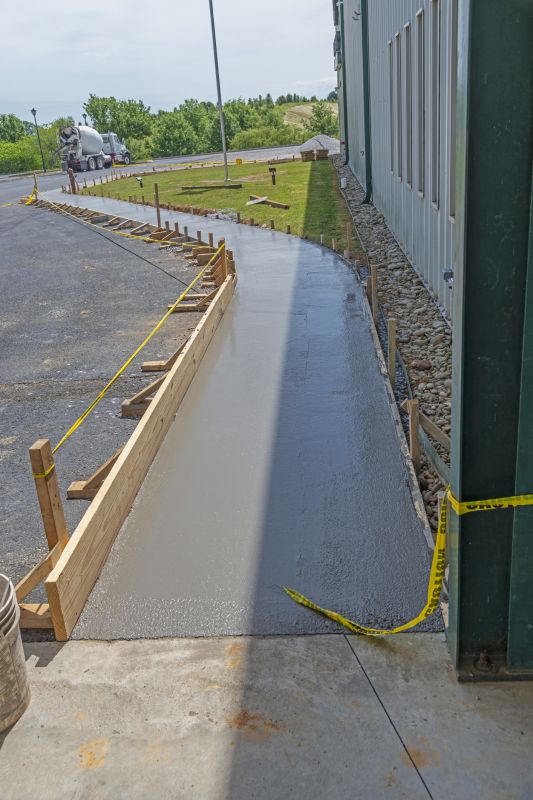
When evaluating service providers for ada-compliant concrete sidewalks: what property owners need to know, experience with similar projects is a key factor to consider. Contractors who have successfully completed comparable sidewalk installations can demonstrate familiarity with the specific requirements and challenges involved in ensuring accessibility. This experience often translates into a smoother process, fewer surprises, and a higher likelihood of meeting all relevant standards. Property owners should inquire about the types of projects a local contractor has handled, looking for those with a proven track record in constructing ADA-compliant sidewalks that align with accessibility guidelines.
Clear, written expectations are essential when working with any service provider on sidewalk construction. Property owners should seek detailed proposals or project descriptions that outline the scope of work, materials to be used, and the specific standards the sidewalk will meet. Having this information in writing helps ensure both parties share a common understanding of the project goals and reduces the potential for misunderstandings or unmet expectations. Reputable local contractors are typically willing to provide comprehensive documentation, so property owners can compare proposals effectively and select a provider that aligns with their needs.
Effective communication is another critical aspect when choosing local contractors for ada-compliant sidewalk projects. A service provider that maintains open, transparent dialogue can better address questions, clarify project details, and adapt to any unforeseen issues during construction. Property owners should look for contractors who are responsive, professional, and willing to discuss the project in clear, understandable terms. Good communication not only helps keep the project on track but also fosters a positive working relationship, ensuring that the final result meets accessibility requirements and property owners’ expectations.
Property owners often search for ada-compliant concrete sidewalks: what property owners need to know when they are planning practical projects around their homes and businesses. Local pros provide ADA-Compliant Sidewalk Construction services for everyday jobs and straightforward project options.
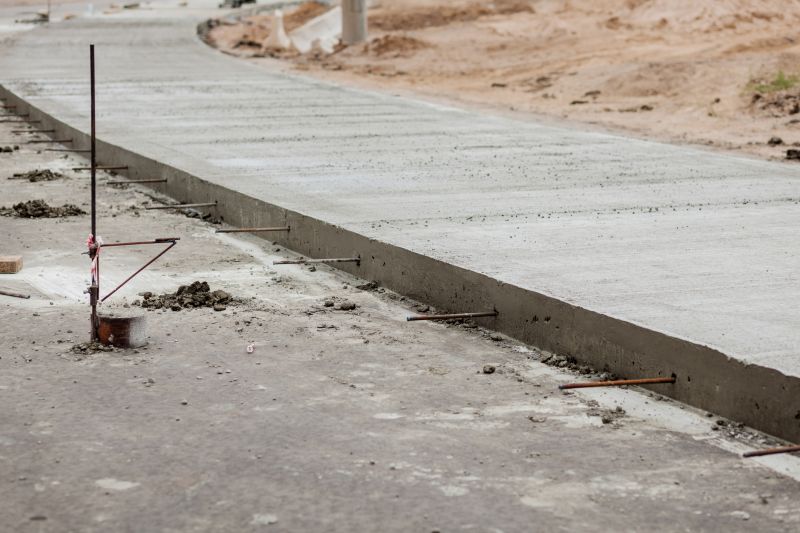

ADA-compliant concrete sidewalks are an important consideration for property owners aiming to ensure accessibility and compliance with regulations. Homeowners and business operators might look up this topic when planning sidewalk repairs, renovations, or new installations to accommodate individuals with mobility challenges. Understanding the basics of ADA standards can help property owners recognize when professional sidewalk construction services are needed to create smooth, level surfaces that are safe and accessible for everyone.
When considering sidewalk projects, property owners may seek the expertise of local contractors who specialize in ADA-compliant construction. These service providers can handle various aspects of sidewalk installation, ensuring that ramps, curb cuts, and surface textures meet accessibility guidelines. Connecting with experienced local contractors can simplify the process of upgrading existing sidewalks or building new ones that adhere to ADA requirements, making properties more welcoming and compliant for all visitors.
What are the key features of ADA-compliant concrete sidewalks? ADA-compliant concrete sidewalks typically include features such as proper slope, accessible ramps, tactile warnings, and appropriate width to ensure accessibility for all users. Local contractors can help design and build sidewalks that meet these standards effectively.
Why is proper slope important for ADA compliance? Proper slope, usually a maximum of 1:12, ensures that sidewalks are accessible to individuals with mobility aids like wheelchairs and walkers. Experienced service providers can ensure the slope is correctly installed to meet ADA requirements.
Can existing sidewalks be made ADA-compliant? Yes, some existing sidewalks can be retrofitted with features like ramps, tactile warnings, or slope adjustments. Local pros can evaluate current conditions and recommend suitable modifications to achieve compliance.
What materials are recommended for ADA-compliant sidewalks? Concrete is the standard material for ADA-compliant sidewalks due to its durability and ease of shaping for slopes and ramps. Service providers can ensure the concrete used meets all necessary specifications for accessibility.
What role do local contractors play in ensuring ADA compliance? Local contractors are knowledgeable about ADA standards and can handle the design, grading, and construction of sidewalks that meet accessibility guidelines, helping property owners stay compliant and accessible.
Understanding ADA Standards - Property owners should familiarize themselves with ADA guidelines to ensure sidewalks are accessible for all users, which local contractors can incorporate into their designs.
Proper slope and ramp design - Ensuring gentle slopes and accessible ramps in sidewalk projects can improve safety and usability, with local service providers able to implement these features effectively.
Smooth, non-slip surfaces - Choosing concrete mixes and finishes that reduce slipping can help meet ADA requirements and enhance safety, a task that local pros can handle during construction.
Clear path and obstacle management - Maintaining unobstructed walkways and proper curb cuts is essential for ADA compliance, with local contractors able to plan and execute these details accurately.
If you are thinking about ada-compliant concrete sidewalks: what property owners need to know for a property, this guide is meant to help you understand this topic, the typical project types, and how different options might fit your plans.
When you are ready, you can use the quote form on this page to share a few details about your project. From there, local pros can review the basics and follow up with options that match what you have in mind.