Common Causes of Cracked Concrete Sidewalks and How Installation Quality Matters
People searching for concrete sidewalk installation often want durable, well-constructed sidewalks, and local contractors can ensure quality work to prevent common cracking issues.
Understanding the common causes of cracked concrete sidewalks and how installation quality matters can help property owners make informed decisions about their outdoor spaces. Cracks often develop due to factors like soil movement, improper base preparation, or exposure to freeze-thaw cycles, which can compromise the sidewalk’s appearance and safety over time. For those in the area considering repairs or new installations, recognizing these issues highlights the importance of working with experienced local contractors who prioritize proper installation techniques to ensure long-lasting results.
Choosing quality installation services is a practical step for property owners aiming to prevent future damage and maintain curb appeal. Skilled service providers understand how to properly prepare the ground, select suitable materials, and execute precise finishing methods that reduce the risk of cracking. Exploring options for concrete sidewalk installation with local experts can provide peace of mind, knowing that the work is being handled by professionals committed to durable, well-crafted results that stand up to the local climate and ground conditions.
- Concrete sidewalk installation - needed when existing sidewalks crack due to poor initial pouring or ground movement, with local contractors emphasizing proper subgrade preparation.
- Crack repair and reinforcement - required for sidewalks showing early signs of cracking, where experienced service providers use appropriate techniques to strengthen and extend sidewalk lifespan.
- Subgrade stabilization - essential when soil shifts or settles unevenly, with local pros focusing on proper compaction and drainage solutions to prevent future issues.
- Expansion joint installation - important in areas prone to temperature fluctuations, with local contractors carefully placing joints to accommodate concrete expansion and contraction.
- Concrete leveling services - needed for uneven or sunken sidewalks caused by improper installation, where skilled service providers ensure a smooth, durable surface.
Understanding common causes of cracked concrete sidewalks and how installation quality matters is a key concern for homeowners planning to improve their property. When sidewalks develop cracks, it often signals underlying issues related to soil conditions, weather, or the initial construction process. Homeowners searching for this topic are typically interested in identifying why cracks form, whether they indicate structural problems, and how to prevent future damage. These concerns are especially relevant for those with older properties or properties situated in areas with freeze-thaw cycles, shifting soils, or heavy foot traffic. The goal is to ensure a safe, durable walkway that maintains its appearance and functionality over time, making the quality of installation a critical factor in achieving long-lasting results.
Problems associated with cracked concrete sidewalks are diverse but often linked to the way the concrete was installed initially. Poor subgrade preparation, such as inadequate compaction or unstable soil, can lead to uneven settling and cracking. Excessive moisture during pouring or improper curing can weaken the concrete, making it more susceptible to damage. Additionally, concrete that is not properly reinforced or that lacks control joints may develop random cracks as it expands and contracts with temperature changes. These issues highlight the importance of installation quality, as a well-executed project addresses these factors from the start, reducing the likelihood of cracks forming prematurely. Homeowners should consider the expertise of local contractors who prioritize proper site assessment, material selection, and construction techniques.
The types of properties where cracked concrete sidewalks are most common include residential homes, multi-family complexes, and commercial properties. Single-family residences often experience cracks due to soil movement or weather-related stress, particularly in regions with significant temperature fluctuations. Multi-unit properties may face similar issues but also contend with increased foot traffic and heavier loads that can accelerate cracking if the installation isn’t done properly. Commercial properties, especially those in areas with challenging soil conditions or high usage, require durable, precisely installed sidewalks to prevent costly repairs. For property owners, understanding how installation quality impacts the longevity of sidewalks can influence decisions when selecting local service providers, ensuring that the work is done correctly the first time and that the property remains safe and visually appealing.
Choosing experienced local contractors for sidewalk installation plays a vital role in addressing common causes of cracked concrete sidewalks and how installation quality matters. Skilled service providers understand the importance of thorough site evaluation, proper soil preparation, and the correct application of materials to ensure a stable foundation. They also implement best practices such as adequate reinforcement, control joints, and proper curing techniques to minimize the risk of cracking over time. By partnering with reputable local pros, property owners can significantly improve the durability and appearance of their sidewalks, reducing the need for repairs and maintaining the property's value. Ultimately, investing in quality installation helps prevent common issues associated with cracked concrete, providing a safe and attractive walkway that withstands the test of time.
Concrete driveway replacement - this project requires similar planning and skill in proper subgrade preparation and concrete pouring to prevent cracks and ensure durability.
Patio and outdoor living space installation - installing patios involves comparable techniques in slab placement and joint spacing, which influence crack prevention and longevity.
Garage floor leveling and repair - these services demand precise concrete work and understanding of soil movement that can cause cracking in slabs.
Foundation repair and stabilization - both projects involve managing ground conditions and proper concrete placement to avoid structural issues and cracking.
Sidewalk and walkway replacement - similar skills in site assessment, proper reinforcement, and joint placement are essential for crack-resistant installations.
Concrete stamping and decorative overlays - these decorative projects require expert concrete application techniques that also impact the crack resistance of the surface.
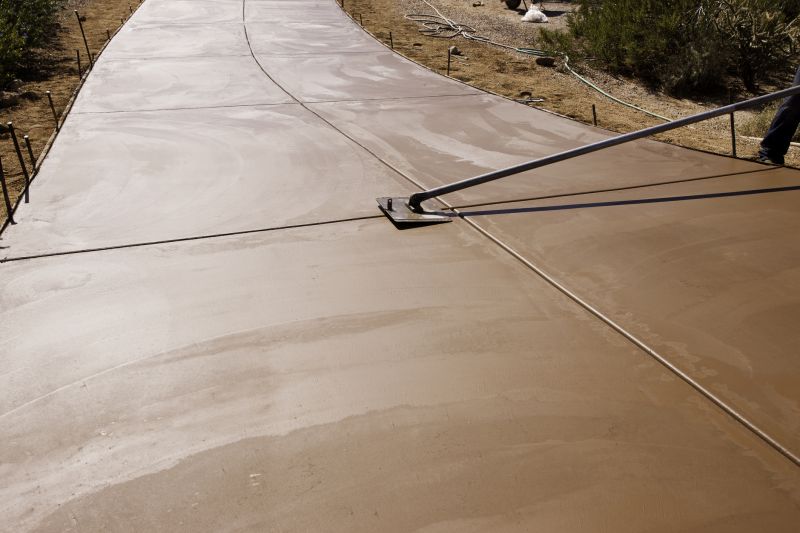
When evaluating concrete sidewalk installation services, it is important to consider the experience of local contractors with similar projects. Contractors who have a history of working on sidewalk installations can offer valuable insights into the common causes of cracked concrete sidewalks and how installation quality matters. Their familiarity with different soil conditions, weather factors, and material choices can help ensure that the sidewalk is built to withstand local environmental stresses. Asking for examples of past projects or references related to sidewalk work can provide a clearer picture of a contractor’s expertise and reliability in handling issues that may lead to cracking.
Clear written expectations are essential when comparing local service providers for concrete sidewalk installation. A detailed scope of work should outline the responsibilities of the contractor, including site preparation, material specifications, and finishing techniques. This clarity helps prevent misunderstandings and ensures that the project addresses factors that influence cracking, such as proper joint placement and adequate reinforcement. Having a well-defined plan also makes it easier to assess whether a contractor’s approach aligns with best practices for quality installation, ultimately reducing the risk of future cracks caused by poor workmanship or overlooked details.
Reputable references and effective communication are key indicators of a dependable local contractor. Service providers who can provide references from previous clients, especially those with similar sidewalk projects, demonstrate transparency and a track record of successful work. Good communication throughout the process allows homeowners to ask questions, clarify expectations, and stay informed about progress and potential issues. This ongoing dialogue can help identify any concerns related to installation quality early on, ensuring that the sidewalk is constructed with attention to detail and durability-factors that play a significant role in preventing cracks and extending the lifespan of the concrete.
Property owners often search for common causes of cracked concrete sidewalks and how installation quality matters when they are planning practical projects around their homes and businesses. Local pros provide Concrete Sidewalk Installation services for everyday jobs and straightforward project options.
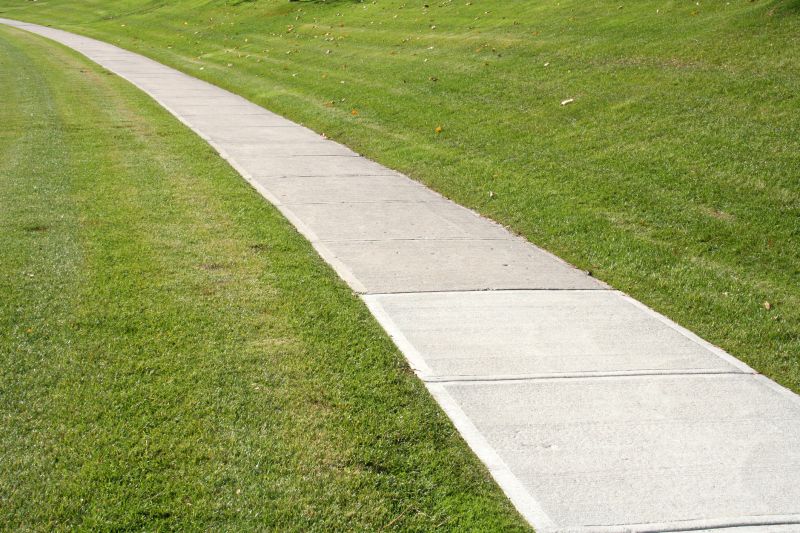
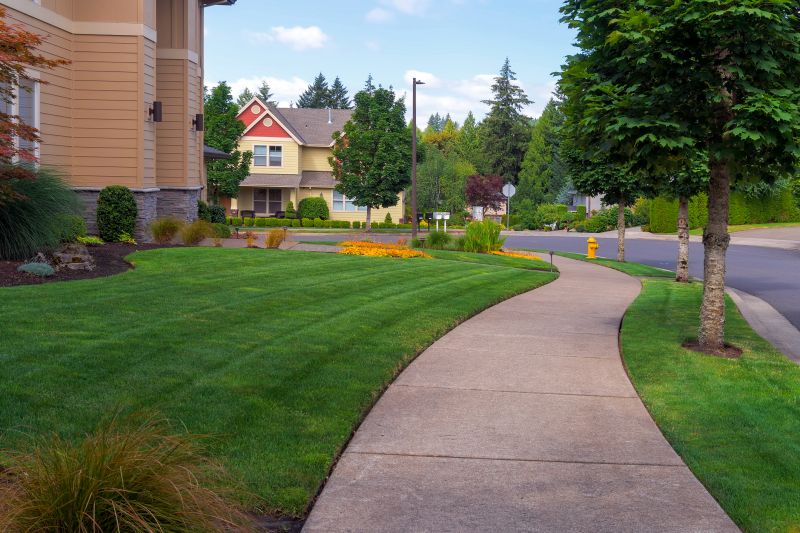
Cracked concrete sidewalks often result from a combination of natural and environmental factors that can affect their longevity. Common causes of cracked concrete sidewalks include ground shifting or settling beneath the slab, which can happen over time due to soil erosion or moisture changes. Additionally, exposure to freeze-thaw cycles can cause expansion and contraction within the concrete, leading to cracks. Property owners in the area might look into this topic when noticing uneven or damaged sections on their sidewalks, especially after harsh weather conditions or prolonged use, and want to understand how proper installation can help prevent such issues.
The quality of sidewalk installation plays a crucial role in how well the concrete withstands daily wear and environmental stresses. Skilled local contractors emphasize proper site preparation, including adequate soil compaction and appropriate base materials, to ensure stability. They also focus on precise pouring and finishing techniques that reduce the risk of cracking over time. Property owners considering concrete sidewalk installation services should recognize that investing in quality workmanship can lead to a more durable, long-lasting surface that resists common causes of cracked concrete sidewalks and maintains its appearance for years to come.
What are common causes of cracked concrete sidewalks? Common causes include soil movement, improper installation techniques, freeze-thaw cycles, and exposure to heavy loads, which can all lead to cracking over time.
How does installation quality influence the durability of concrete sidewalks? High-quality installation ensures proper subgrade preparation, correct mixing, and adequate curing, reducing the likelihood of cracks and extending the sidewalk's lifespan.
Can poor drainage contribute to sidewalk cracking? Yes, inadequate drainage can cause water to accumulate beneath the concrete, leading to soil erosion and freeze-thaw damage that results in cracks.
Why is proper subgrade preparation important for sidewalk installation? Proper subgrade preparation provides a stable foundation, preventing uneven settling and movement that can cause cracks in the concrete.
How can local contractors help prevent cracking in new concrete sidewalks? Skilled contractors use proper techniques and quality materials to ensure a solid foundation and correct installation, minimizing the risk of future cracks.
Proper Site Preparation - Ensuring the ground is well-compacted and free of debris helps prevent uneven settling that can lead to cracks, guiding property owners to work with local contractors who prioritize thorough site prep.
Quality Installation Techniques - Using appropriate concrete mixes and proper pouring methods reduces the risk of cracks caused by weak or improperly mixed concrete, encouraging property owners to choose experienced service providers.
Control Joints Placement - Installing control joints at strategic locations allows for controlled cracking, making it easier for property owners to discuss joint placement with local pros during the project.
Weather Considerations - Scheduling concrete work during optimal weather conditions minimizes thermal stresses and cracking, prompting property owners to coordinate with local contractors for weather-aware planning.
If you are thinking about common causes of cracked concrete sidewalks and how installation quality matters for a property, this guide is meant to help you understand this topic, the typical project types, and how different options might fit your plans.
When you are ready, you can use the quote form on this page to share a few details about your project. From there, local pros can review the basics and follow up with options that match what you have in mind.