Get Concrete Ramp Installation
Concrete ramp installation services help property owners create smooth, accessible pathways for wheelchair access, loading docks, or outdoor transitions with the help of local contractors.
Concrete ramp installation is an essential upgrade for property owners seeking improved accessibility and safety. Whether for residential driveways, commercial entrances, or public spaces, properly designed and constructed ramps can facilitate easier movement for wheelchairs, strollers, or heavy equipment. This service is particularly valuable for those planning property modifications, renovations, or ensuring compliance with accessibility standards. Exploring local contractors who specialize in concrete ramp installation can help property owners find practical solutions tailored to their specific needs.
For individuals considering this type of project, it’s helpful to compare options among experienced service providers in the area. Local contractors can offer insights into different design approaches, materials, and construction methods suited to the local environment and property layout. Continuing to explore available options ensures that property owners can make informed decisions about the best way to enhance accessibility and functionality on their property.
- Residential Driveways - homeowners may need concrete ramps to improve accessibility or accommodate vehicle transitions.
- Commercial Entrances - businesses requiring durable ramps for customer or employee access often seek professional installation.
- Loading Docks - warehouses and retail locations may need concrete ramps to facilitate safe and efficient freight movement.
- Public Access Points - parks, schools, or community centers might require ramps to ensure compliance with accessibility standards.
- Garage Entrances - property owners looking to enhance safety and functionality of garage entries might hire local contractors for installation.
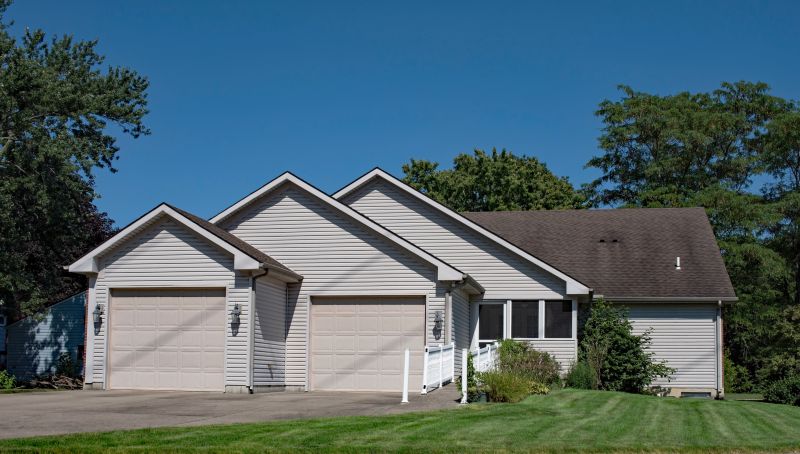
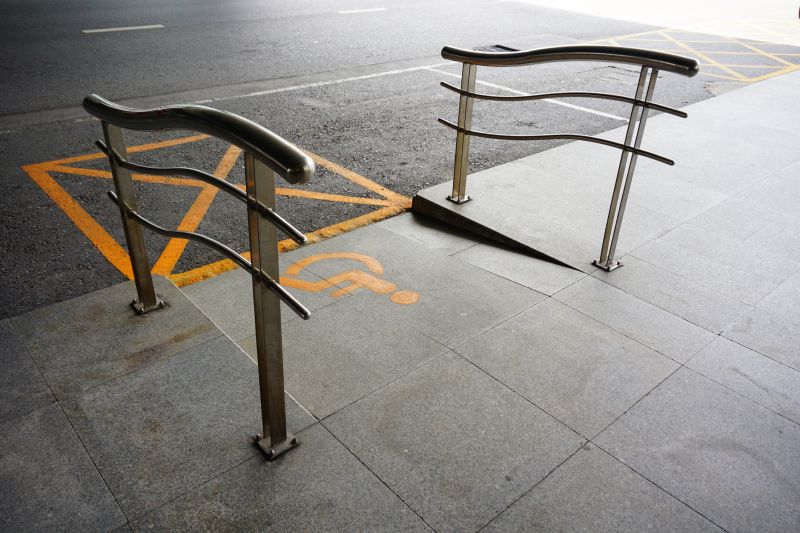
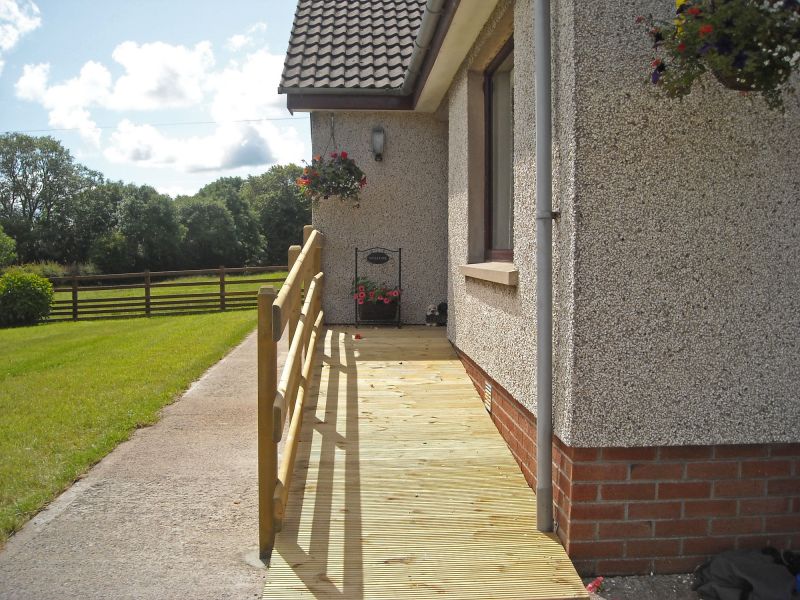
Concrete ramp installation services involve constructing durable, level slopes made from concrete to provide accessible entryways for properties. This process typically includes site assessment, precise measurement, excavation, form building, pouring, and finishing of the concrete surface. The goal is to create a smooth, stable incline that seamlessly connects different levels of a property, making it easier to move wheelchairs, strollers, or heavy items without obstruction. Skilled contractors ensure that the ramp is properly reinforced and finished to withstand regular use and environmental exposure, resulting in a safe and long-lasting solution.
These services address common accessibility challenges faced by homeowners and property managers. A concrete ramp can eliminate steps or uneven surfaces that hinder mobility for individuals with disabilities or limited mobility. It also helps prevent accidents caused by tripping or slipping on uneven ground. Additionally, a properly installed ramp can improve the overall functionality of a property, making it more welcoming and easier to navigate for visitors or residents with mobility concerns. Whether adapting an existing entrance or designing a new accessible pathway, professional installation ensures the ramp meets safety standards and local building codes.
Concrete ramps are frequently used in a variety of property types, including residential homes, apartment complexes, commercial buildings, and public facilities. Homeowners often choose to install a ramp at the front or back entrance to accommodate wheelchairs, walkers, or strollers, especially if there are steps or uneven terrain. Commercial property owners may need ramps to meet accessibility regulations and provide safe access for customers or employees. Public spaces such as parks, community centers, and schools also benefit from concrete ramps to ensure compliance and enhance accessibility for all visitors.
When considering concrete ramp installation, property owners should evaluate their specific needs and the layout of their property. This service is ideal for addressing issues like uneven driveways, steps, or raised entrances that limit access. It is also suitable for properties undergoing renovations or upgrades aimed at improving mobility options. By working with experienced local contractors, property owners can ensure that the ramp is designed and built to suit their property’s unique requirements, providing a practical and reliable solution for improved accessibility and safety.
The overview below groups typical Concrete Ramp Installation projects into broad ranges so you can see how smaller, mid-sized, and larger jobs often compare in your area.
In many markets, a large share of routine jobs stays in the lower and middle ranges, while only a smaller percentage of projects moves into the highest bands when the work is more complex or site conditions are harder than average.
Smaller Repairs - Many routine concrete ramp repairs typically cost between $250 and $600, covering minor patching or surface fixes. These projects are common and usually fall within this middle range. Larger or more complex repairs can exceed this range, depending on the scope.
Standard Ramp Installations - Installing a new concrete ramp generally ranges from $1,000 to $3,000 for most local projects. This is the typical cost for standard-sized ramps, with many jobs falling into this bracket. More elaborate designs or larger projects may push costs higher.
Full Ramp Replacement - Replacing an existing concrete ramp with a new one can range from $3,500 to $7,000 or more. Larger, more intricate projects or those requiring extensive site prep tend to reach the upper end of this spectrum. Many local contractors handle projects within this range.
Complex or Custom Projects - Custom-designed or highly complex concrete ramp installations can cost $7,000 and up, especially for large-scale or specialty applications. These projects are less common but represent the upper tier of typical costs handled by experienced local service providers.
Actual totals will depend on details like access to the work area, the scope of the project, and the materials selected, so use these as general starting points rather than exact figures.
Wheelchair Ramp Construction - local contractors skilled in building accessible ramps often have experience with concrete installations to ensure durability and safety.
Driveway Paving Projects - paving driveways involves similar planning, grading, and concrete work skills as installing concrete ramps.
Sidewalk and Pathway Installation - installing concrete walkways requires precise planning and concrete pouring techniques comparable to ramp installation.
Garage Floor Replacement - replacing or installing concrete garage floors shares skills in concrete preparation, leveling, and finishing with ramp projects.
Patio and Outdoor Flooring - constructing outdoor concrete flooring involves similar tools and planning as those used for concrete ramp installation.
Loading Dock Concrete Work - building or repairing loading dock surfaces involves concrete work skills applicable to ramp installation projects.
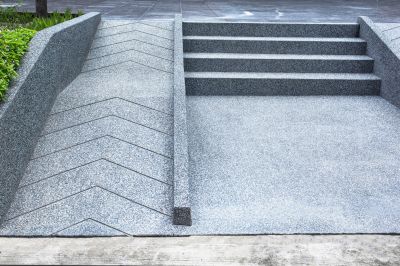
When comparing service providers for concrete ramp installation, it’s important to consider their experience with similar projects. Homeowners should look for local contractors who have a proven track record of successfully completing ramps that match the specific requirements of their property. Asking about past projects can provide insight into the contractor’s familiarity with different site conditions and design preferences, helping to ensure the selected professional understands the scope and complexity of the work involved.
Clear, written expectations are essential when evaluating potential contractors. Homeowners should seek detailed proposals that outline the scope of work, materials to be used, and any relevant specifications. Having these details in writing helps prevent misunderstandings and provides a basis for comparing different options. A reputable service provider will be transparent about what the project entails and be willing to clarify any questions, ensuring that all parties share a common understanding before work begins.
Good communication and reputable references are key indicators of a reliable local contractor. Homeowners are encouraged to ask for references from previous clients who had similar projects completed. Contacting these references can reveal insights about the contractor’s professionalism, responsiveness, and overall quality of work. Consistent and clear communication throughout the process helps ensure that expectations are managed and that any questions or concerns are addressed promptly, contributing to a smoother project experience.
Property owners use Concrete Ramp Installation services for practical projects around their homes and businesses. This guide focuses on everyday jobs and straightforward project options.
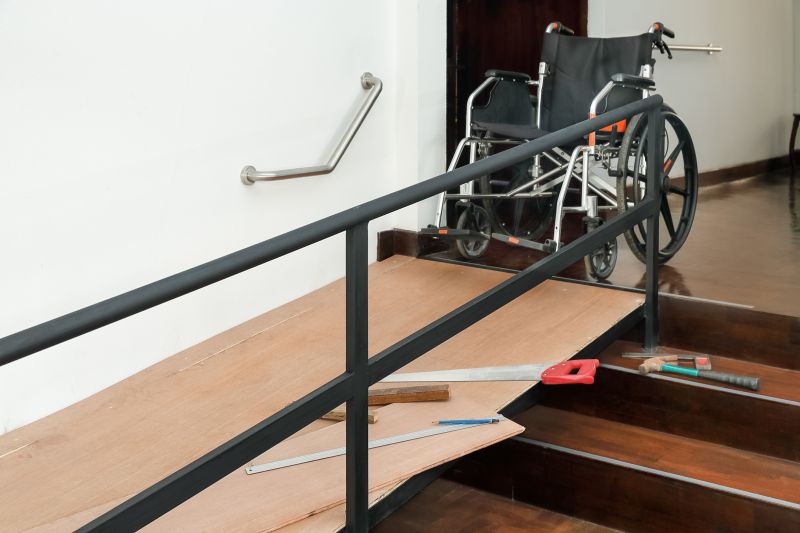
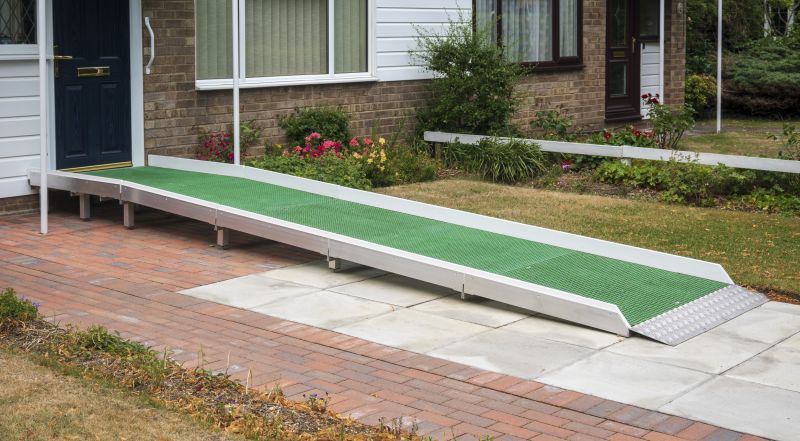
Concrete ramp installation services are often sought after by property owners who need accessible entry points for wheelchairs, strollers, or mobility aids. Whether installing a ramp at a residential home to improve accessibility or adding a durable surface at a commercial property, local contractors can help ensure the installation meets safety and usability needs. These projects are common when making modifications for aging family members, accommodating visitors with mobility challenges, or complying with accessibility standards.
Property owners may also look for concrete ramp services when replacing or upgrading existing ramps that have become worn or unsafe. In addition, new construction projects or renovations often require properly installed ramps to provide safe, level access to buildings and outdoor areas. Local service providers can handle a variety of project sizes, offering practical solutions that enhance safety and convenience around residential and commercial properties alike.
What is involved in concrete ramp installation? Concrete ramp installation typically includes site assessment, form building, pouring and finishing the concrete, and curing to ensure durability.
How do local contractors prepare the area for a concrete ramp? They clear the site, level the ground, and set up forms to shape the ramp according to the specified dimensions.
Can concrete ramps be customized for different accessibility needs? Yes, local service providers can customize the slope, width, and surface texture to meet specific requirements.
What types of finishes are available for concrete ramps? Finishes may include smooth, textured, or stamped surfaces to enhance appearance and slip resistance.
What factors should be considered when choosing a concrete ramp design? Factors include the location, load capacity, accessibility standards, and integration with existing structures.
Wheelchair Ramp Installation - property owners can improve accessibility for residents or visitors with mobility challenges by installing durable concrete ramps.
Garage Entry Ramps - concrete ramps can provide a smooth transition from driveway to garage, making it easier to move vehicles or heavy equipment inside.
Loading Dock Ramps - businesses can enhance loading and unloading efficiency by adding concrete ramps for forklifts and delivery trucks.
Patio and Entryway Ramps - homeowners can create accessible outdoor entrances that accommodate strollers, carts, or mobility aids.
If you are thinking about Concrete Ramp Installation for a property, this guide is meant to help you understand the work, the typical project types, and how different options might fit your plans.
When you are ready, you can use the quote form on this page to share a few details about your project. From there, local pros can review the basics and respond with options that match what you have in mind.